Jellyblush: A Playful Handwritten Font for Web Design
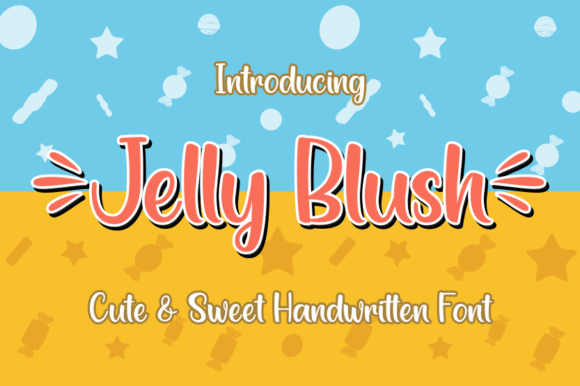
I was working on a redesign for a boutique online store that sells handmade jewelry, and I needed a font that would reflect the brand’s warm, creative personality. After browsing through several options, I landed on Jellyblush—a cute and playful handwritten font from Script Amp. It felt like the perfect match for the project.
What Makes Jellyblush Unique
Jellyblush has a soft, organic feel with gentle curves and a friendly appearance. It’s not too ornate or difficult to read, which is a big plus for digital projects. The font carries a warm and romantic mood, making it ideal for brands that want to convey sincerity and approachability.
As a handwritten font, Jellyblush adds a personal touch to any design. It feels like the words are written by hand, which can be especially effective in branding that emphasizes authenticity and creativity.
Testing Jellyblush in a Real Project
I first tested Jellyblush in the hero section of the website. I placed it over a high-quality image of a necklace against a light background. The font looked great—its delicate strokes didn’t overpower the image, and the text remained legible even at a larger size.
Next, I used it for section headings throughout the site. Each heading had a slightly different weight or style, but Jellyblush maintained its character without becoming distracting. I also experimented with it on call-to-action buttons, though I found that it worked best when paired with a simpler sans serif font for the button itself.
One thing I noticed while testing Jellyblush on mobile devices was that the font scaled well. The curves stayed smooth, and the readability didn’t suffer on smaller screens. That’s a big win for responsive design.
Where Jellyblush Works Best
Jellyblush shines in areas where a softer, more expressive typeface is needed. Here are some places I found it particularly effective:
- Hero sections: For bold, attention-grabbing headlines that still feel personable.
- Section headings: Adds visual interest to content blocks without overwhelming the reader.
- Blog headers: Perfect for creating a friendly tone in editorial designs.
- Call-to-action overlays: When used sparingly, it can make CTA buttons stand out more.
- Logo text: Especially for brands that want to feel intimate and unique.
- Decorative accents: Use it as a supporting element in headers or banners to add flair.
However, I found that Jellyblush isn’t the best choice for long paragraphs or body copy. Its handwritten nature makes it less suitable for dense text, where a clean sans serif or serif font would perform better.
Readability and Branding Considerations
When using Jellyblush, I made sure to test it against various backgrounds. It worked well on both light and dark themes, but I found that adding a subtle drop shadow or slight stroke helped improve legibility on busy or textured images.
The font also contributed to the overall brand identity. It gave the website a consistent, warm tone that aligned with the brand’s values. This kind of consistency helps build trust and makes the user experience more engaging.
Another thing I considered was font pairing. I paired Jellyblush with a modern sans serif font for body copy, which created a nice contrast between decorative and functional typography. This approach kept the layout visually balanced while maintaining readability.
Practical Tips for Using Jellyblush
If you’re thinking about using Jellyblush on your website, here are a few tips to keep in mind:
- Check webfont availability: Make sure the font is accessible across all platforms and browsers.
- Test on mobile: Ensure the font scales well and remains readable on smaller screens.
- Use sparingly: Avoid overusing it, as it can become hard to read if applied too broadly.
- Consider licensing: If you're using it for client projects or commercial websites, confirm that you have the right license.
- Pair wisely: Combine it with a complementary font to maintain visual hierarchy and usability.
Jellyblush is a versatile addition to any designer’s toolkit. Whether you're working on a creative portfolio, a coaching website, or a product landing page, this font brings a sense of charm and personality that can elevate your design work.